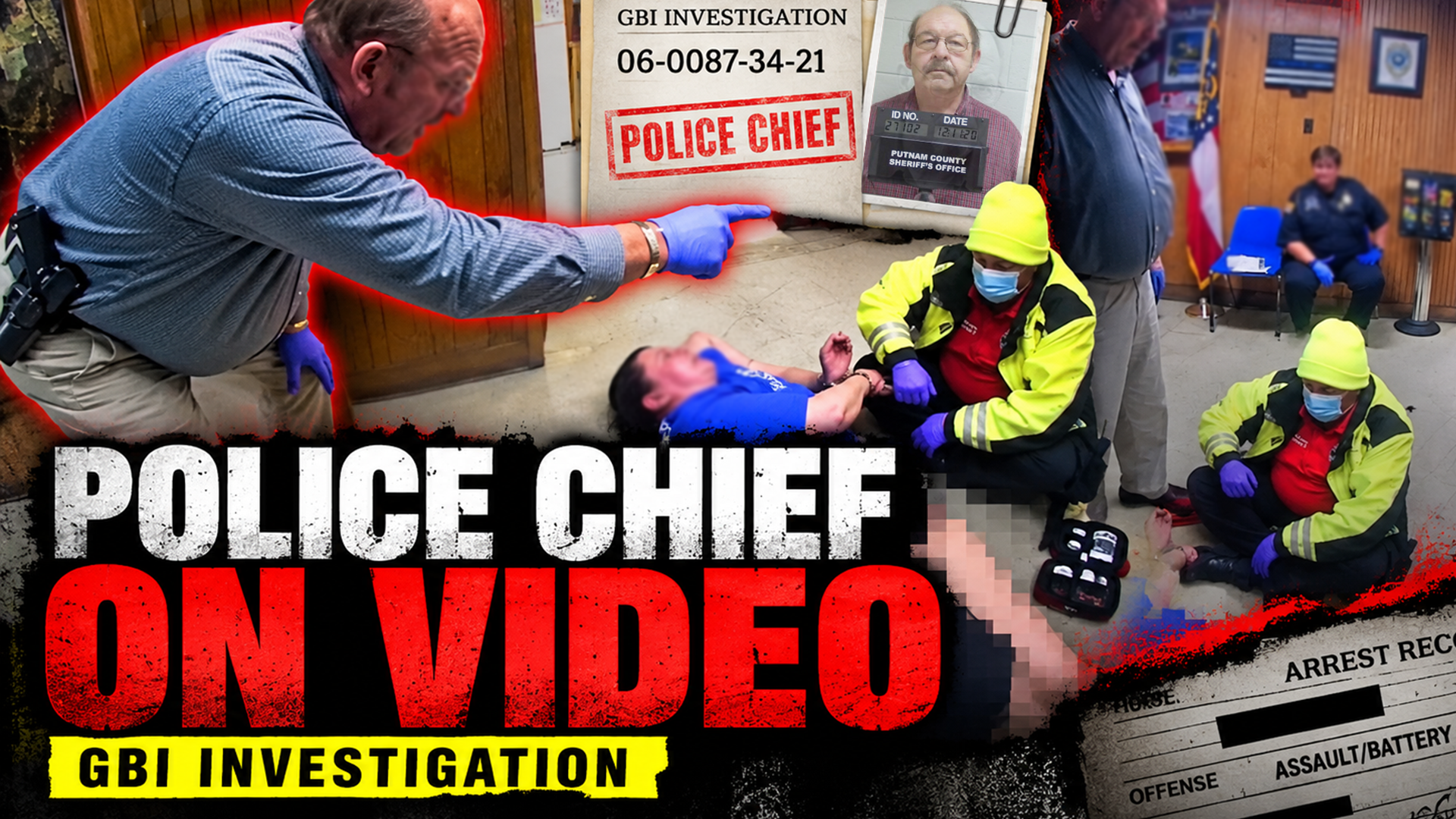
Police Chief, Handcuffed Woman and the Video That Investigators Could Not Recover
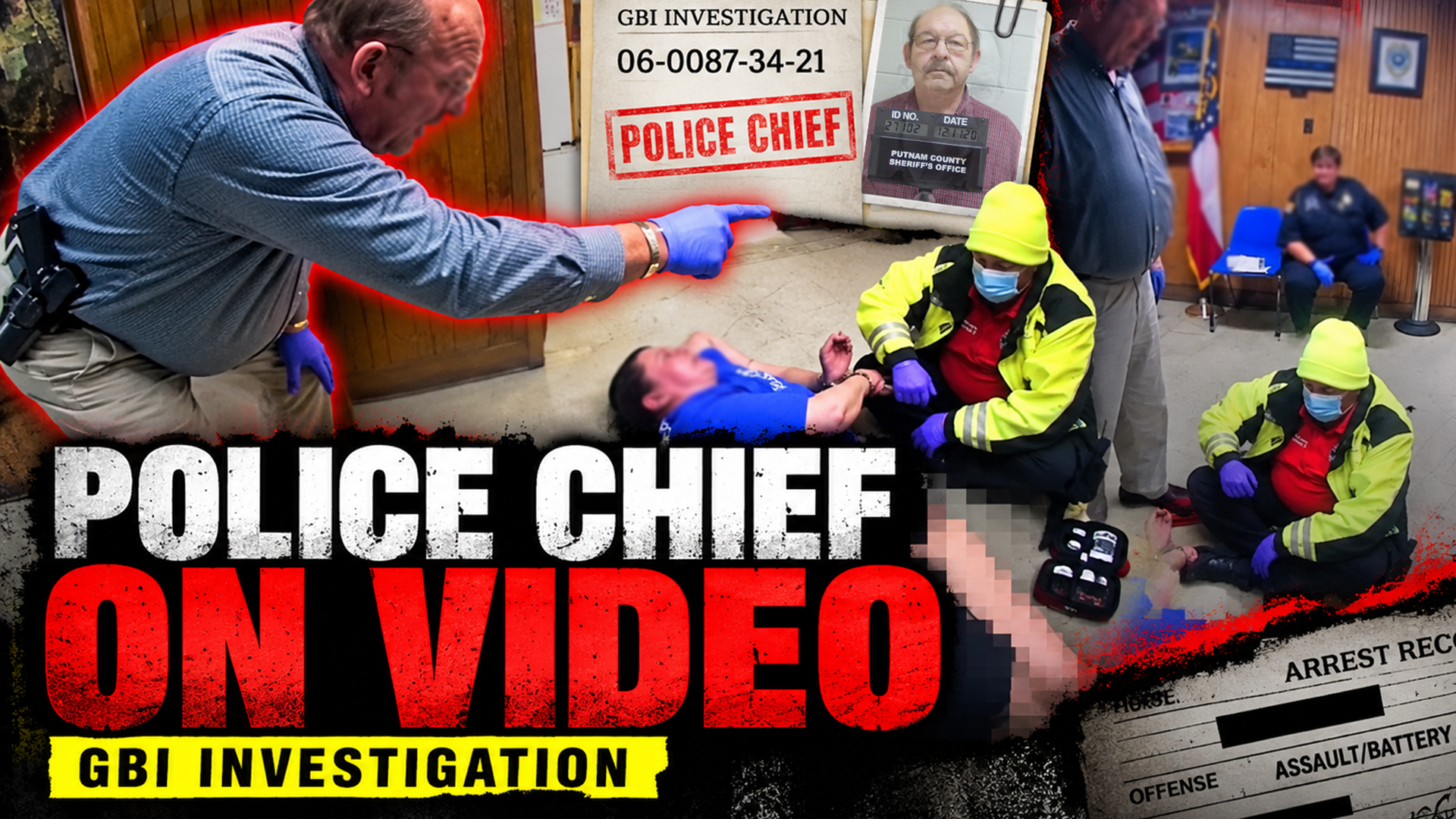
William Kent Lawrence | Eatonton Police Department | GBI Case 06-0087-34-21
What happened to Tina Childress after she was taken into police custody, and why did investigators later have to reconstruct the encounter through body-camera evidence, interviews, handwritten reports and a deleted cellphone recording?
On December 8, 2020, Tina Childress was taken into custody following a suspected DUI stop in Eatonton, Georgia. What followed inside the police department became the subject of a Georgia Bureau of Investigation inquiry requested by the Ocmulgee Judicial Circuit District Attorney’s Office. GBI investigative summaries describe Childress on the floor of the station, witnesses recounting force by then-Chief William Kent Lawrence, and a subsequent investigation into the department’s records and video evidence.
The source documents are investigative records. They contain witnesses’ statements and investigators’ observations, which must not be confused with a final judicial finding. This article identifies what the records say, what witnesses did and did not see, and what remains unresolved.
1. From a DUI stop to a police-station use-of-force investigation
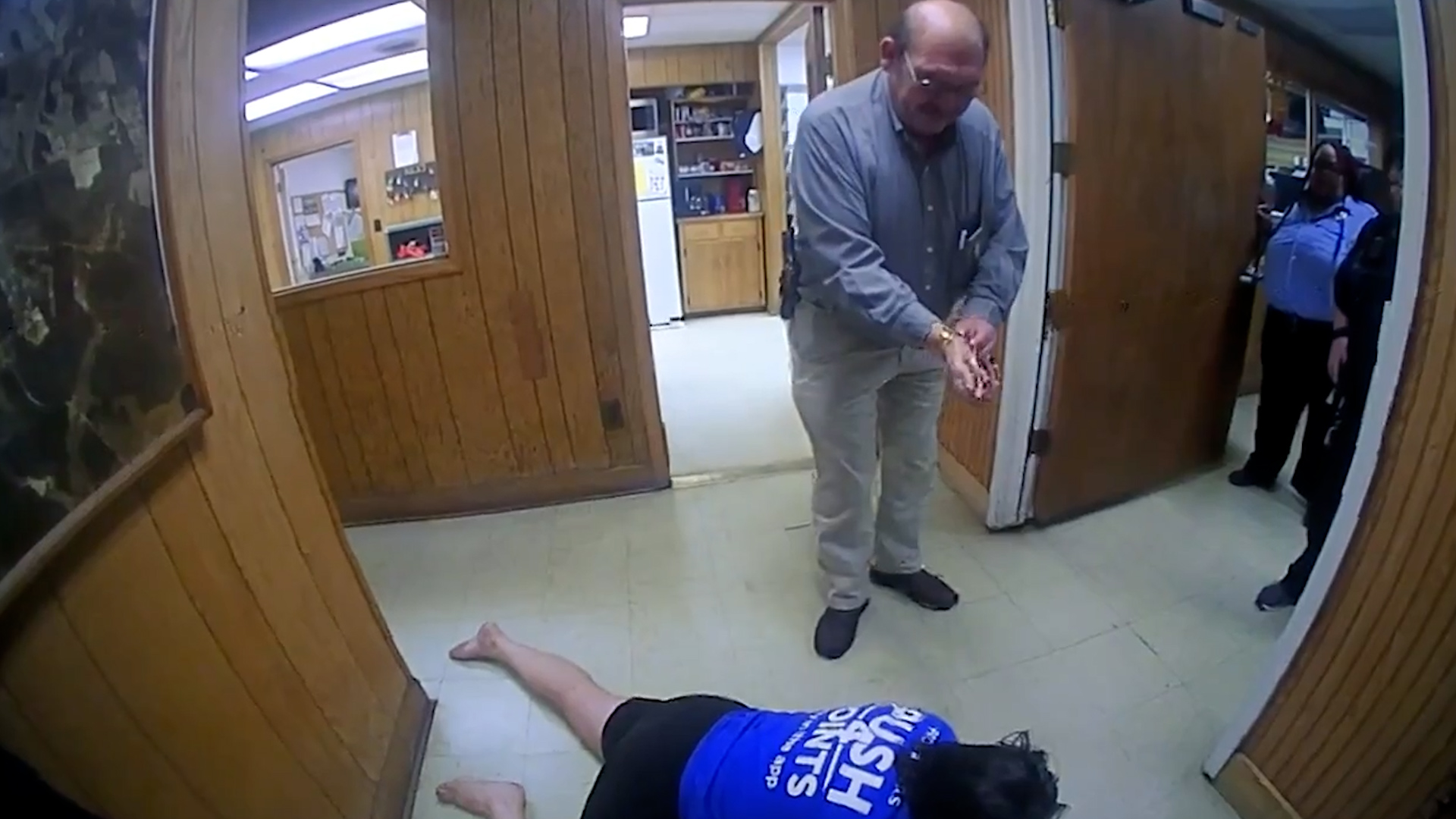
According to a GBI summary of dispatcher Quanishatae Rollins’ interview, Officer Harold Bowman stopped Childress because he suspected impaired driving and transported her to the Eatonton Police Department. While being processed, Childress fell in a hallway. Rollins described seeing her on the floor and witnessing Lawrence strike her shoulder and pull her toward the lobby. The report describes Childress as handcuffed during the encounter.
Why it matters: An arrest does not eliminate a person’s right to reasonable treatment or medical attention. The setting matters here: Childress was inside a police facility, surrounded by agency personnel, and the use of force occurred after officers had already taken her into custody.
2. What the witnesses said they saw
In a May 18, 2021 interview, Rollins told a GBI agent that she saw Lawrence strike Childress on the shoulder, possibly twice, and pull her by the handcuffs toward the lobby. She did not say she personally saw Lawrence strike Childress in the head or face. A later May 21 interview summarized her account of shoulder strikes, hair pulling, and Childress saying she had been slapped. Those distinctions matter: the reported shoulder contact, the witness’s observations, and Childress’s own allegations are separate pieces of evidence.
The GBI’s May 18 and May 21 interview summaries for Rollins, the underlying body-camera recordings, and other officer and medical-witness accounts should be compared in sequence. A video still alone cannot establish the timing or full context of an encounter.
3. A cellphone recording, a deletion and a changed account
GBI investigators documented a particularly consequential development. In an initial interview, Rollins suggested she had not intentionally recorded the incident. In a later interview, according to the GBI, she admitted she had recorded it, deleted the video and initially lied to investigators about it. Investigators examined her iPhone using a Cellebrite extraction and checked her iCloud account. The GBI summary says the video was not located there.
Why it matters: This is a documented evidence-preservation issue. It does not, by itself, establish that Lawrence directed the deletion or that the police department destroyed the recording. The report attributes the recording and deletion to Rollins and describes her own explanation. The distinction is central to a fair investigation.
4. The paper trail and the missing statements
In a May 18, 2021 follow-up, GBI Special Agent Deborah Loving reviewed the Childress case file with police department clerk Lynn Thomas. The agent obtained handwritten reports attributed to Officers Bowman and Dennis Tippens and a typed version entered by a dispatcher. Thomas could not locate a written statement from herself or Lawrence. When asked whether Lawrence had completed a handwritten report, she responded, according to the summary, “most likely.”
Why it matters: The investigative question is not merely whether a document is missing from one file. It is whether the agency’s contemporaneous incident reports, later typed versions, officer statements and body-camera records present a complete and consistent account.
5. The GBI arrest record
A separate GBI arrest-record form identifies William Kent Lawrence, lists the offense as “ASSAULT/BATTERY,” gives December 8, 2020 as the offense date, and records December 11, 2020 as the arrest date. An arrest record documents an arrest, not a conviction. This collection does not, by itself, establish the final disposition of every charge.
6. Why the body-camera footage matters
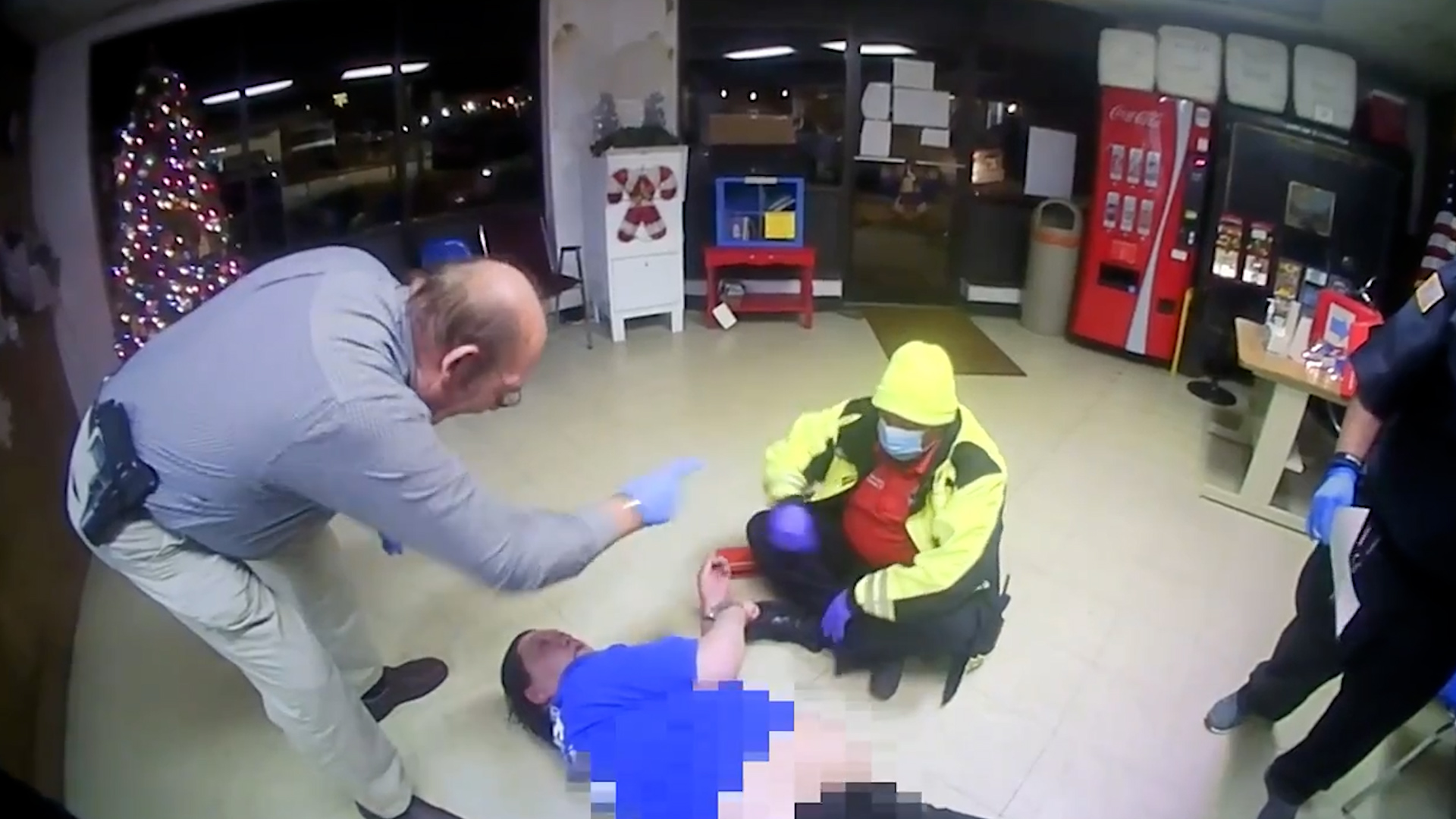
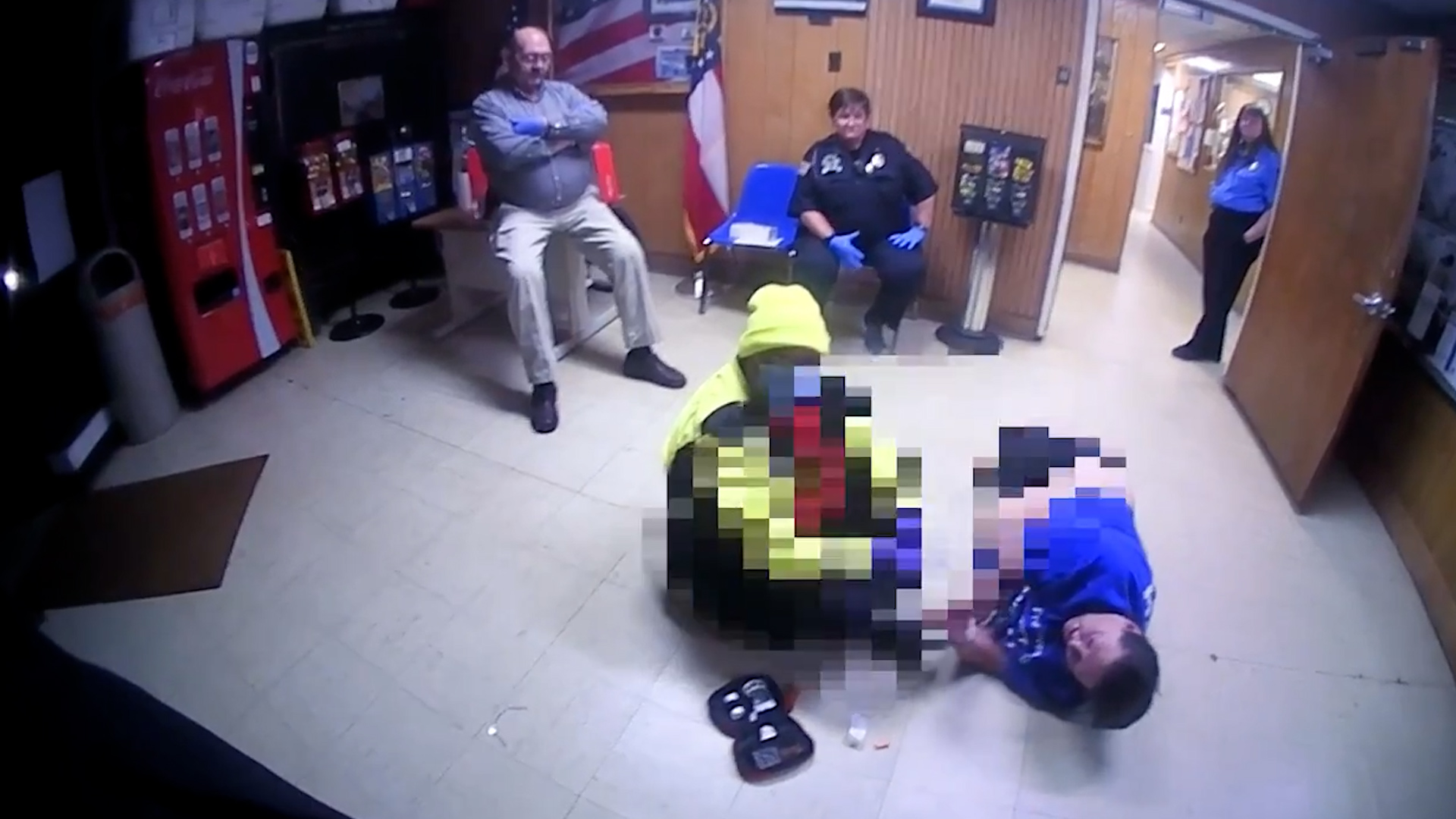
The GBI records refer to body-camera footage obtained from the Eatonton Police Department. Video allows viewers to evaluate sequence, duration, position, visible physical contact and the reactions of people present. The complete footage should be watched alongside the written statements, not substituted for them. Some footage may be disturbing.
Full Incident Video and Investigative Records
Thank you to the Shields of Shame members who make independent records-based journalism possible. Your support helps fund public-records requests, document review, video processing and the preservation of evidence for public accountability.
Content advisory: The complete incident footage may show a distressed person in custody and potentially disturbing treatment. Viewer discretion is advised.
Publication setup pending: The exact uploaded video filename and membership restriction must be verified before this section can be activated. No video is embedded in this draft until the correct file is identified and access is secured.
7. Source records and evidence guide
GBI investigative summaries: The detailed interviews, investigative steps and references to body-camera footage and the cellphone examination. These provide the central source narrative.
GBI arrest record: The one-page form listing Lawrence and the assault/battery offense. It is not proof of conviction.
GBI identification and exhibit index: A roadmap to the witnesses, interview recordings, reports, warrants and exhibits collected during the investigation. Identification sheets contain sensitive personal data and should not be posted without redaction.
Shields of Shame curated investigative dossier: A shorter annotated reading edition intended to help members navigate the most significant evidence. The source documents remain the authority for exact wording and context.
Case evidence library: uploaded photographs and documents
These are the supporting assets uploaded for this investigation. Each item includes a short explanation and a separate full-size link. The image previews and document links are hosted on the Shields of Shame site. The full incident video is intentionally not linked here pending protected members-only delivery.
Publication caution: Files in the public uploads directory may be directly accessible to anyone with the URL. Before publishing, verify privacy redactions in the training record and all supporting materials, and confirm that the court image and photographs match the original records.
Redacted GBI investigation
GBI investigative summaries and supporting narrative, presented as a redacted reference copy.
Investigation photograph
Photographic case asset. View alongside the narrative and source evidence.
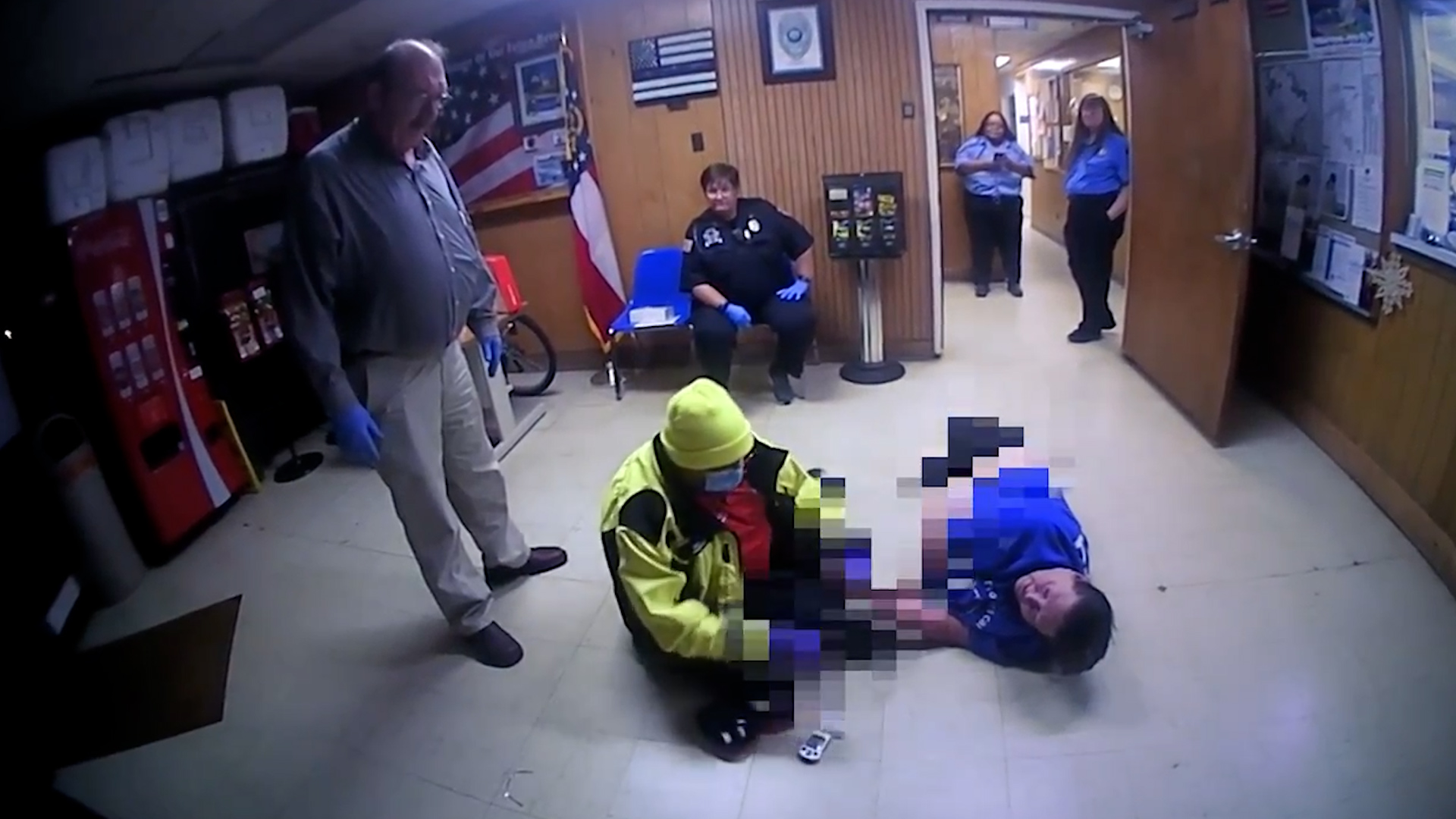
Booking photograph
Booking photograph associated with the investigation; an arrest is not a conviction.
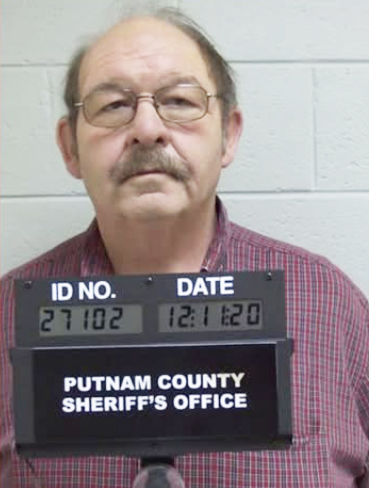
Condensed investigative dossier
Shorter evidence reading edition designed to orient readers to major investigative themes.
Court docket image
Court-related image. Consult the actual docket and case outcome before drawing conclusions.

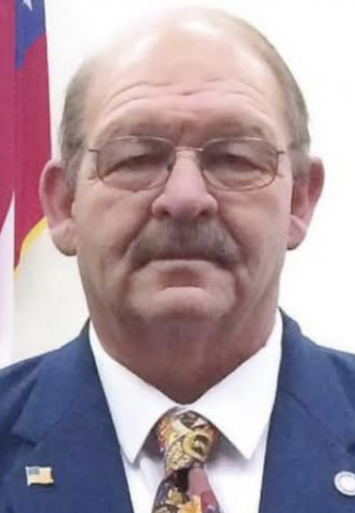
Officer training record
Training record supplied with the case materials. Personnel information should be reviewed for privacy before public release.
Bodycam still: first scene
Still frame from the incident footage. A single frame cannot establish context.
Bodycam still: second scene
Additional still from the incident video; compare with the complete recording.
Bodycam still: third scene
Additional still from the incident video; compare with the complete recording.
8. What remains to be answered
What was the final court disposition of Lawrence’s arrest? How do the full body-camera recordings compare with each witness’s statement? Which contemporaneous written reports were created, edited or never located? Was any other recording of the incident preserved? The available GBI materials provide substantial investigative detail, but these questions require separate verification rather than speculation.
Shields of Shame distinguishes allegations, witness statements, arrests, investigative findings and adjudicated outcomes. This report is based on records associated with GBI case 06-0087-34-21. Documents may contain allegations and contested accounts. Readers should not treat an arrest as a finding of guilt. Private identifying information should be redacted before publication.
© Shields of Shame | Investigative reporting and source-document analysis