SHIELDS OF SHAME | GEORGIA POLICE ACCOUNTABILITY
DeKalb Officer Lost His Badge After Women Said He Used Police Authority to Get Sex
The allegations against Michael E. Cooper Jr. involved threats of arrest, a police patrol vehicle, admissions during an internal investigation and a later criminal conviction.
PUBLIC INVESTIGATION | DeKalb County, Georgia
A badge, a threat and an allegation of coercion
Police officers have the legal power to detain and arrest. The allegations against former DeKalb County Police Officer Michael E. Cooper Jr. raise a disturbing question about what happens when that authority is allegedly used to demand sex from someone vulnerable to arrest.
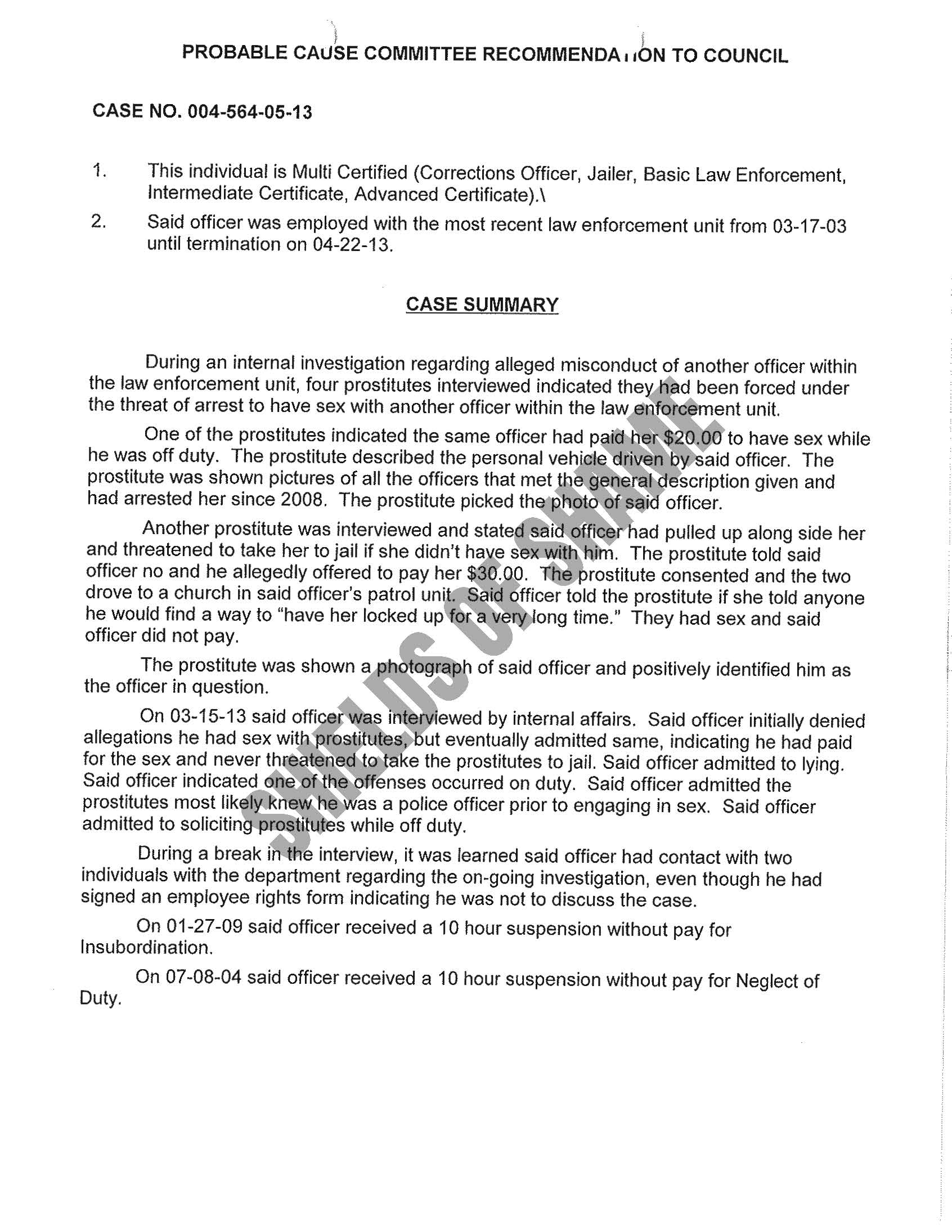
According to the Georgia POST case account provided to Shields of Shame, an internal investigation into a different officer led investigators to women involved in prostitution who made allegations about Cooper. One woman reported that Cooper paid her $20 for sex while off duty. Another described an encounter in which she alleged he threatened to take her to jail unless she had sex with him.
The patrol car and the church
In the second woman’s account, Cooper allegedly pulled alongside her and threatened arrest when she initially refused sex. She said he then offered $30 and drove her in his patrol vehicle to a church, where they had sex. She alleged he never paid her and warned that reporting the incident would result in her being locked up for a very long time.
Investigators reported that the woman later positively identified Cooper. These are allegations attributed to the witness and investigators, not independently established details of a court verdict.
What Cooper reportedly admitted
When Internal Affairs interviewed Cooper in March 2013, POST records reportedly describe an initial denial followed by admissions that he had sex with women involved in prostitution, paid for sex and lied during the investigation. The case account also states that he acknowledged an incident occurred while he was on duty and that the women likely knew he was a police officer.
His reported admissions are important, but they should not be conflated with an admission to every coercion allegation. The distinction between what witnesses alleged, what investigators documented and what Cooper admitted is essential.
A law enforcement career ended
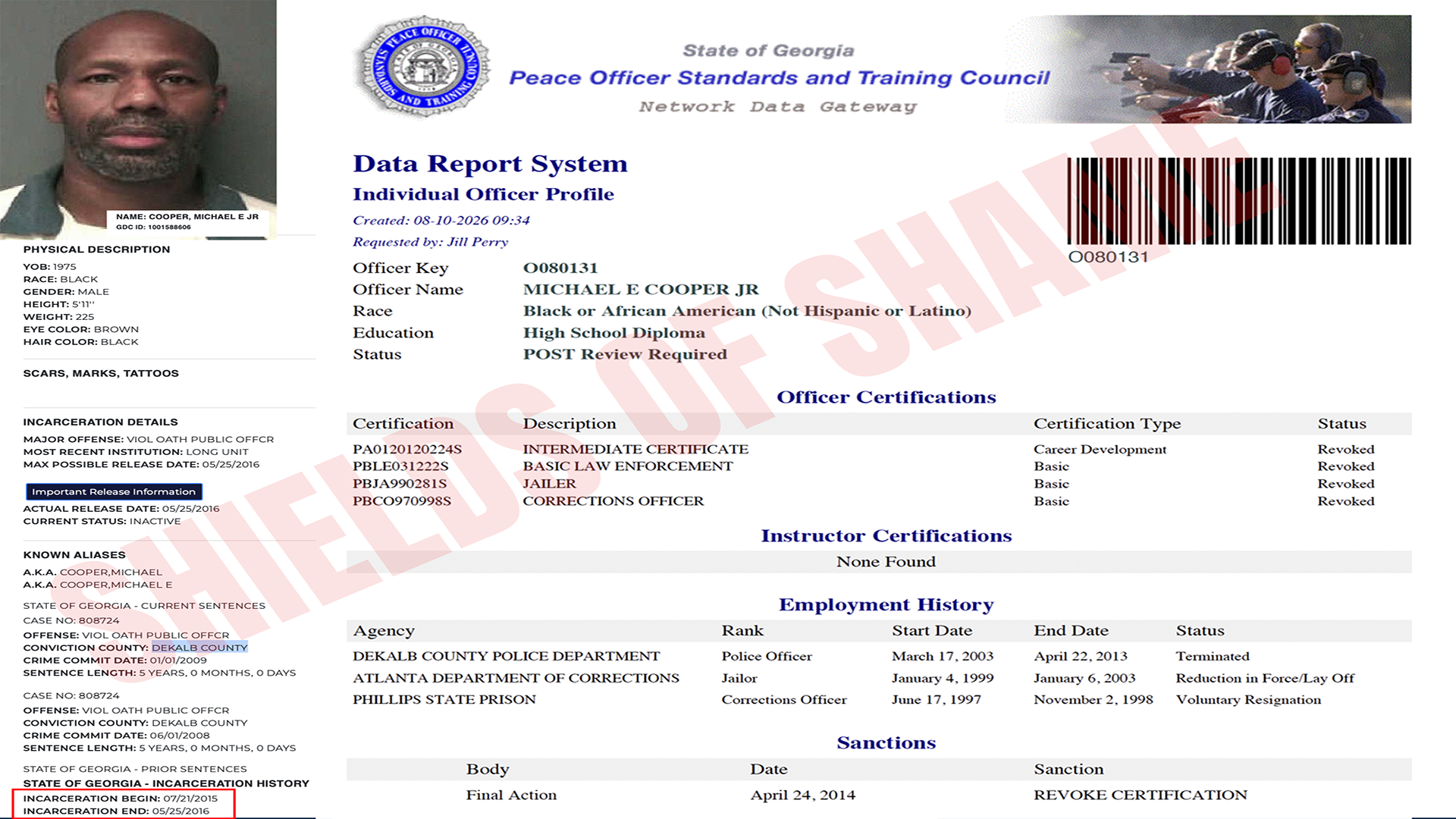
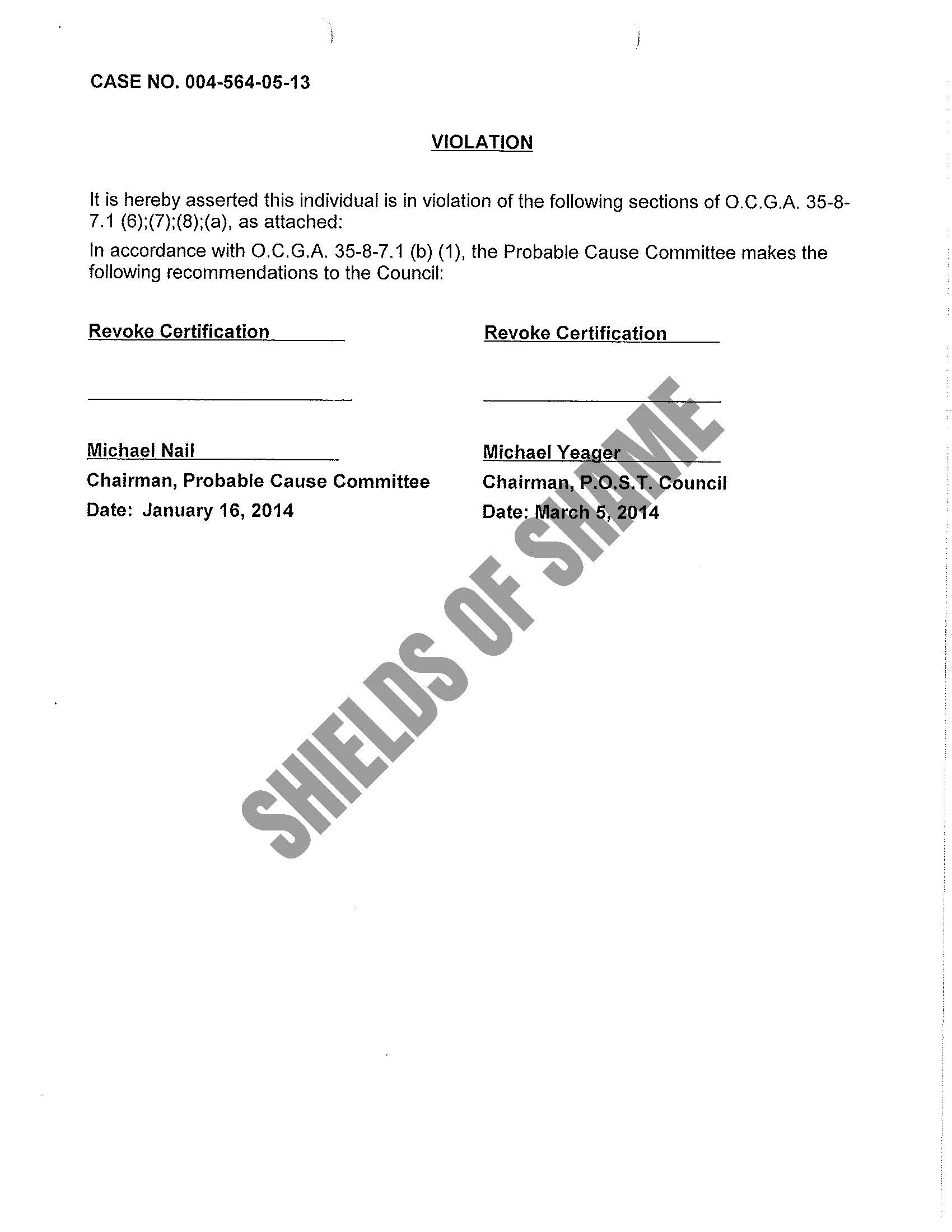
Cooper joined DeKalb County Police in 2003, after employment with the Atlanta Department of Corrections and Phillips State Prison. His POST history reportedly listed 1,843 training hours. His law enforcement, jailer, corrections and intermediate certifications were ultimately listed as revoked.
The criminal outcome
According to the case information supplied for this investigation, Cooper pleaded guilty in 2015 to two counts of violation of oath by a public officer. His reported sentence was ten years, with one year to serve in prison. The complete sentencing order was not among the three linked image assets, so readers should distinguish this reported outcome from the allegations described in the POST summary.
Why the abuse of authority allegation matters
When an officer allegedly threatens arrest to obtain sex, the issue is not simply a private sexual encounter. It is the possible weaponization of state power against a person who may fear detention, retaliation or disbelief. The women’s involvement in prostitution does not diminish the importance of their allegations or their right to be treated lawfully.
The evidence: Read the source records
Shields of Shame provides the supplied case summary pages and related image so readers can examine the documentation for themselves. Select any image to open the full original in a new tab.
Questions that deserve answers
What safeguards were in place to prevent officers from exploiting people who feared arrest? How did investigators evaluate witness accounts involving an officer with coercive legal powers? And what institutional changes, if any, followed the case? The supplied documents do not establish answers to all of these questions, but they show why the public should be able to scrutinize police disciplinary records.
Help keep the records public
This investigation is free to read. Shields of Shame uses public records to document police misconduct and make the evidence accessible. Supporting members help fund further document requests, video review and investigative reporting.
Explore the Shields of Shame Vault and membership options through the site’s membership menu.
Editorial standards: Allegations are attributed to witnesses or investigative records. Reported admissions, administrative certification actions and criminal convictions are described separately. This report does not imply that every witness allegation was adjudicated or admitted. Based on supplied case information; additional court documents may clarify the precise counts and sentencing terms. Updated October 17, 2026.